
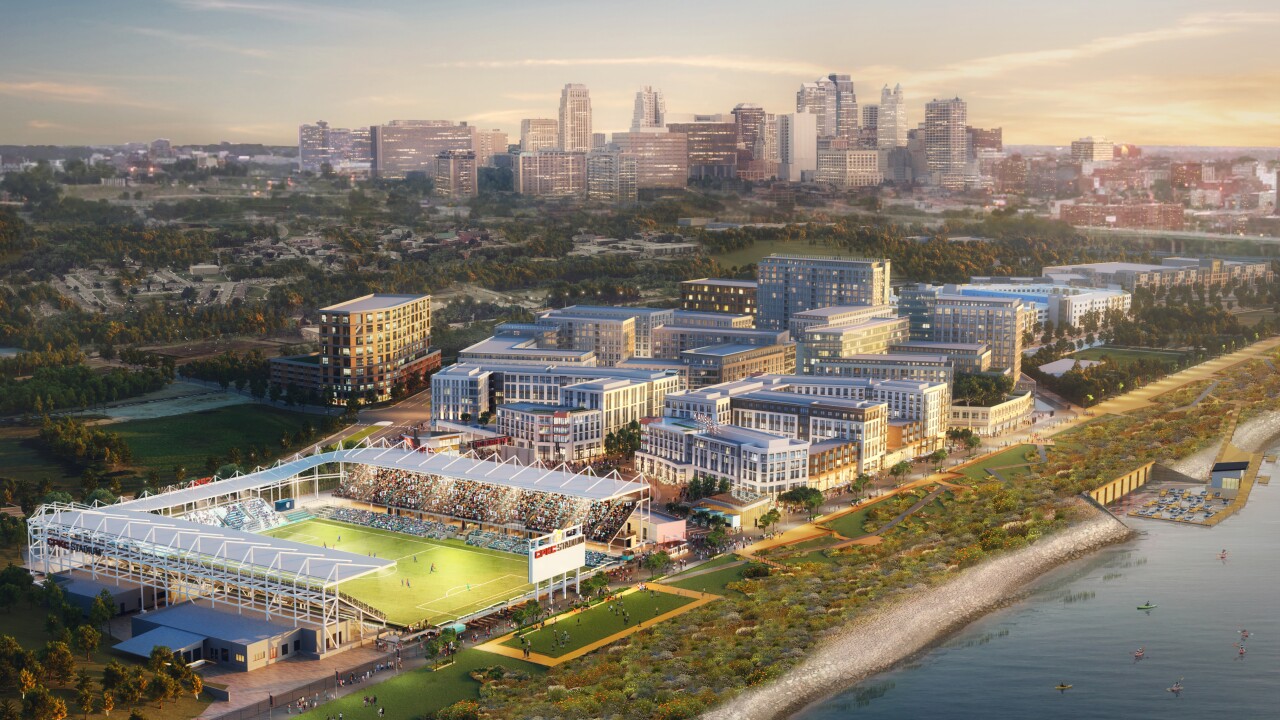
Q: Why have we seen a shift to stadium-anchored districts from traditional stand-alone venues and what makes it attractive to communities and investors?
A: The move away from traditional stand-alone stadiums – usually surrounded by parking lots and isolated from surrounding activity – shows a growing preference for immersive, mixed-use environments. Stadium-anchored districts combine sports, entertainment, retail, and residential components to create vibrant year-round destinations. These developments consistently attract foot traffic, stimulate adjacent investment, and revitalize underutilized urban land, making them attractive to both communities and investors. For teams, these districts enable brand integration, generate diversified revenue streams, and foster a stronger connection to the community that extends beyond game days.
Q: How do you balance conversations around funding, political realities, and community engagement when picking a site?
A: Site selection for a stadium-anchored district goes far beyond finding available land. Our proprietary site evaluation matrix keys on several important site consideration factors. It requires alignment among city officials, club leadership, and investors around a shared vision and an economic reality. Funding frameworks, transparent processes, and political will are also crucial when it comes to building consensus around a site. A strong value proposition, backed by thorough due diligence on feasibility, economic impact, and community benefit, helps build support and address the inevitable risk concerns. Community engagement is just as important. Early, strategic outreach through advisory groups, listening sessions, and coalition-building efforts not only builds public trust but also reduces friction and ensures the project reflects local needs.
Q: What types of public commitments (entitlements, incentives, or approvals) help a team or developer feel confident about investing long term?
A: Long-term investment confidence is driven by clear and predictable public commitments. Things like zoning clarity, infrastructure access, and defined project timelines play a major role in reducing investor uncertainty. Incentives – ranging from tax abatements to infrastructure offsets – can turn ambitious visions into viable, risk-adjusted investments. Additionally, teams really value governance clarity. Streamlined approval processes and interagency coordination are essential, since fragmented or inconsistent governance can disrupt momentum and jeopardize these projects’ success.
Q: From your experience working with teams, what level and type of public funding is typically needed upfront to make a stadium-anchored district viable? What financing tools have you seen cities use most effectively to support stadium projects – TIF districts, general obligation bonds, land leases, infrastructure grants?
A: Making a stadium-anchored district viable typically requires a blended capital stack. Upfront public contributions, including land donations, infrastructure grants, or early-phase due diligence investments, are often paired with club capital to reduce initial financing friction. Cities that employ structured public financing tools and support, like Tax Increment Financing (TIF) districts, hospitality taxes, ground leases, and debt structuring, are the ones that signal their commitment and seriousness to private investors.
Among these, TIFs are especially powerful when used in conjunction with proactive infrastructure planning and strategic land-use decisions. For teams, transparency is key. They need to clearly understand what assets are being leveraged, which components are contingent, and who’d going to manage the deal after it closes.
Q: From a team’s standpoint, what are the operational risks of delivering a stadium before the rest of the district is built? How can cities help ensure the district opens with critical mass and doesn’t feel like a stadium surrounded by empty lots?
A: Opening a stadium ahead of the surrounding district poses several operational risks, including low foot traffic, safety concerns, and reduced commercial activity – factors that can make the area feel lifeless outside of game days. To mitigate this, most teams prefer phased development strategies that ensure critical mass through anchor tenants, temporary activations, or curated pop-up experiences.
Cities can play a pivotal role in supporting this strategy by sequencing infrastructure deployment, aligning public transit options, and offering targeted business incentives to accelerate district absorption and prevent a gap between the stadium opening and broader district activation.
Q: What’s the ideal role for a team in the long-term stewardship of a stadium district — and how can cities structure governance around that?
A: In the long term, teams often function as stewards of the stadium district, ensuring continuity in programming, brand experience, and community integration. This includes overseeing off-season events, coordinating community-based uses, and maintaining a consistent identity across the district. Doing that effectively requires clearly defined roles, with cities managing the public realm while clubs focus on curating the overall experience.
Ultimately, success should be measured not just by game-day attendance, but by broader indicators like diversity of use, retail vitality, frequency of return visits, and how well the district becomes embedded in the community’s cultural fabric.


