
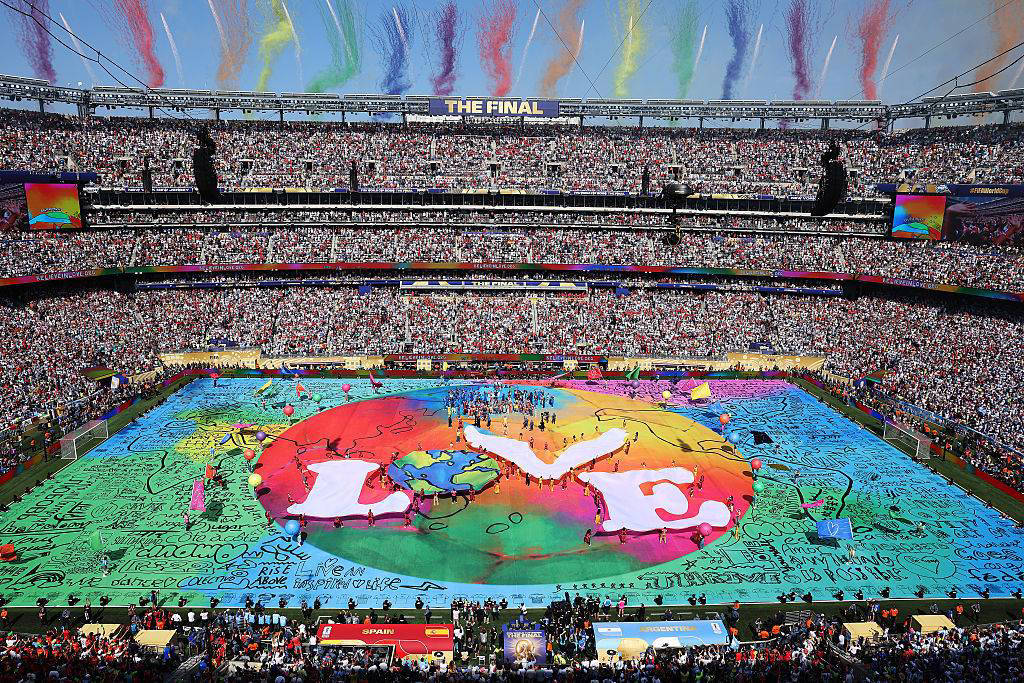
The 2026 FIFA World Cup – the first on American soil in 32 years – was a smashing success by almost every measure. Sold-out and boisterous crowds in some of the country’s biggest sports stadiums. Super Bowl-level television audiences. Sensational mainstream and social media coverage. Rave reviews both here and abroad. Admirable and abundant local hospitality. And stunning soccer on the pitch. The organizers couldn’t have scripted it much better.
The question on everyone’s minds now is, where do we go from here? Is the momentum created by this monumental success sustainable and is America finally ready to fully embrace and proliferate “the beautiful game?”
Mark McCullers has been working in and around American soccer since the U.S.’ last time hosting the World Cup. As an event promoter, MLS team president and general manager, executive in charge of developing the country’s very first soccer-specific stadium, and franchise and venue development advisor, he’s been on the leading edge of soccer’s steady if uneven growth in America. Here are some of his thoughts and predictions on the future of the world’s game here in the world’s largest consumer market.
Improving Player Development
Most of the post mortem around the American team’s abrupt round-of-16 exit from this year’s tournament has focused on player development, and understandably so. While U.S. Soccer and its fans had higher expectations, the U.S. Men’s National Team was rather harshly reminded where it currently stands on the global stage – as a top 20 team but not yet a top 10 team. At the same time, there was a sense of promise from this group with some emerging stars and a glimpse at a style of play that can be molded into an identity.
The professionalization of player identification and development in the U.S. should and almost certainly will continue to improve. It has to. With the persistent growth of MLS, the ongoing expansion of the MLS Next Pro and USL lower divisions, and the growth of and dependency on their youth academies, the opportunity and infrastructure are there for U.S. Soccer. It will be the federation’s resource commitment and process, though, that determine its success.
Growing Fan Expectations
U.S. soccer supporters are large consumers of international soccer and relate to the sport on those terms. As the domestic product continues to improve and MLS, as the only current first-division league in the states, continues to become a more formidable presence in CONCACAF and FIFA globally (MLS players logged the sixth-most minutes of any international league in this World Cup), U.S. soccer fans will expect their teams to dominate CONCACAF and be contenders for Club World Cup and World Cup titles.
Realistic or not at this point, those will be the expectations. And the American soccer hierarchy must accept and embrace them if it expects to achieve those goals anytime soon.
Elevating Investment
It’s worth remembering that the last time the U.S. hosted the World Cup, there was little to no sustained professional soccer infrastructure in America. Today there are professional soccer teams and soccer-specific stadiums in large and midsize markets across the country. That’s a massive leg up from 1994 and a runway for what comes next. Instead of building a foundation for soccer here in the states, the focus can now be on elevation.
More money in the form of infrastructure, facilities, and technology will continue to flow into the sport to expand access and operations, create new revenue streams, and advance player development. This influx of capital should have a significant impact on American soccer’s scale and overall development.
With that additional capital, expect more soccer-anchored development, which will create more means to integrate club brands, advance sponsor activation, and enhance guest experiences – creating a long-term, more-sustainable economic model for owners and investors alike.
Increasing Marketing Relevance
As the world’s largest consumer market, the U.S. is anything but untapped. What the 2026 World Cup confirmed, though, is that the soccer market here is substantial and available, and that the right products, brands, and experiences can use the sport to engage with a growing, appealing audience.
The success of the 2026 World Cup should attract even more corporate dollars to American soccer. The challenge for U.S. soccer brands is to create the value that will optimize those dollars. Soccer’s marketing strength has never been greater. The U.S. now must seize the moment to continue to drive attendance, viewership, and engagement and validate the investment that’s coming.
Growing Franchise Valuations
According to Forbes, Major League Soccer’s average franchise value has climbed 39% since 2021. With the U.S. soccer market showing up in full force and throat during the World Cup, interest, demand, and scarcity should drive American soccer franchise valuations even higher, independent of league or division.
Foreign investment interest in U.S. soccer in particular has been increasing and will continue to increase with the strong commercial showing at this year’s tournament. Expect U.S. club business metrics to improve as well, driving those valuations further.
Showcasing America
One thing that was unmistakable at this World Cup was the substantial display of colors and pride from American fans in and beyond the venues. In a turbulent time in our country, the World Cup and soccer united our nation. People of all backgrounds, ethnicities, and cultures came together to support the U.S. team and show the world who we truly are.
The media coverage of international guests experiencing the diversity, beauty, and hospitality of the American people was compelling. Having positive messages about the welcoming spirit, vibrant cities, amazing food, cultural and historical depth, and friendly people broadcast across the world is just about the best publicity the U.S. could imagine from an event like this. That boost to the country’s image will pay all kinds of dividends.
Setting The Stage
The world will return to the U.S. for the FIFA Women’s World Cup in 2031. The men’s version has set the bar high and also set the table for the Women’s World Cup to be another resounding success.
With the exponentially growing interest in women’s sports here and across the globe – coupled with the unmatched reputation of the four-time-champion U.S. Women’s National Team – the American soccer market is well positioned for yet another substantial bump in five years’ time. Smart soccer businesses, owners, investors and stakeholders that begin preparing, strategizing, and marshalling resources now will be best positioned to take advantage of the next U.S. soccer opportunity.
Striking Now
The next 90 days for American soccer are critical. Researcher Chad Menefee calls this the “attention-to-attachment window,” when new fans are converted into followers. In previous World Cup years, pro soccer fandom here has increased by an average of 8%. A recent impromptu poll by The Athletic backs that up, finding that 10% of the more than 32,000 respondents were “newly in love” with the sport.
Some markets have already seen a swing. The USL’s New Mexico United drew its largest-ever crowd (nearly 15,000) during the tournament, while the league’s defending champion Pittsburgh Riverhounds set a new regular-season attendance record. The key is to grab that ripe audience and make it stick.
And there’s no time like the present.
Mark McCullers is founder and president of McCullers Group. He can be reached at mark@mccullersgroup.com.


