
Colleges and universities are facing a period of profound change. Demographic headwinds, evolving student expectations, rising operating costs, and increased competition are reshaping the higher education landscape. At the same time, many institutions are grappling with aging facilities, deferred maintenance obligations, and limited access to capital.
Amid all these challenges, though, lies a significant opportunity.
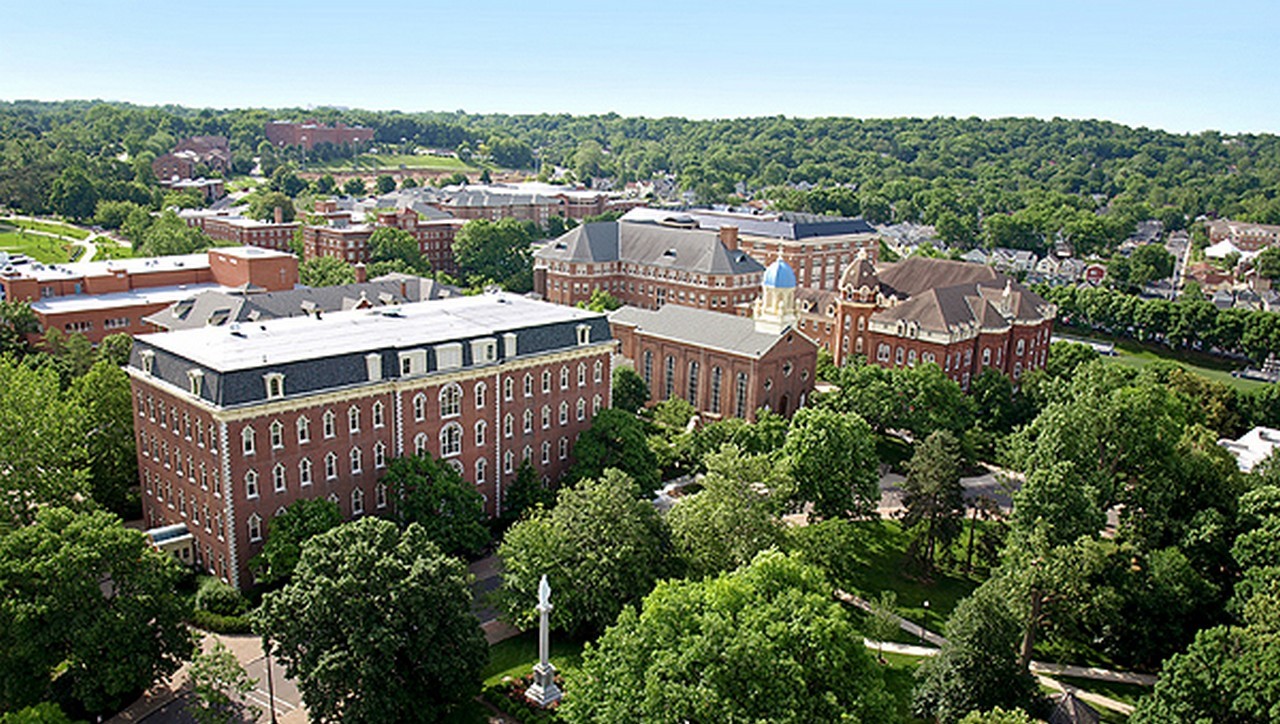
While many institutions may lack the liquidity needed to fund major capital projects, they often possess a valuable asset that few organizations can match: land. From underutilized parking lots and outdated residence halls to aging athletic facilities and campus-edge properties, universities frequently control substantial real estate assets with untapped potential.
The question facing many institutions today is no longer simply how to maintain and improve their campuses. It’s how to strategically leverage existing assets to support institutional goals, strengthen financial sustainability, and create the type of campus experience that attracts and retains students in an increasingly competitive market.
The Hidden Value of Underutilized Campus Assets
The financial realities facing higher education are well documented. Enrollment declines in many regions, escalating labor and operational costs, shrinking public funding, and growing expectations for student services have placed increasing pressure on institutional budgets. As a result, every investment is being scrutinized through the lens of measurable return and long-term value.
At the same time, many colleges and universities find themselves in a “land-rich, cash-poor” position. Their balance sheets may be constrained, but they control significant real estate holdings that have appreciated over time and often occupy highly desirable locations.
These assets take many forms:
- Surface parking lots that consume valuable land while generating limited economic value
- Excess land parcels that no longer support institutional priorities
- Aging athletic facilities or underperforming venues
- Outdated housing stock that falls short of modern student expectations
- Low-density campus edges that create barriers rather than connections to surrounding communities
What makes these assets particularly valuable is not simply their size but their strategic location. Many are adjacent to campus cores, supported by existing infrastructure, and situated within communities seeking economic development and investment.
When viewed through a long-term planning lens, these properties represent more than excess land. They become tools that can help institutions advance their mission while creating new sources of value.
Aligning Real Estate Strategy with Institutional Goals
The most successful campus development initiatives begin with institutional objectives rather than real estate opportunities.
A well-conceived master plan should answer a fundamental question: How can the physical campus better support the university’s mission?
For some institutions, the answer may involve attracting and retaining students through modern housing, recreation, and lifestyle amenities. For others, it may center on creating new revenue streams, supporting academic growth, or strengthening community partnerships.
Increasingly, campus planning must accomplish all of these goals simultaneously.
Student recruitment and retention, for example, are influenced by far more than academic programs alone. Today’s students evaluate the entire campus experience. Housing quality, wellness offerings, dining options, gathering spaces, recreation facilities, and opportunities for social engagement all contribute to their perception of institutional value.
Similarly, universities are seeking ways to diversify revenues beyond tuition and public funding. Ground lease income, participation rents, shared revenues, event programming, and mixed-use developments can provide recurring sources of revenue while preserving institutional ownership of land assets.
At the same time, campuses often serve as anchor institutions within their communities. Strategic development can stimulate surrounding investment, create jobs, strengthen municipal partnerships, and expand opportunities for experiential learning and workforce development.
In this environment, real estate is no longer simply a facilities issue. It’s become a strategic asset class that can influence enrollment, finances, reputation, and regional impact.
The Expanding Role of Mixed-Use
Many institutions are finding that the most effective use of underutilized land is not a single-purpose facility but a thoughtfully planned mixed-use environment.
Student housing frequently serves as the foundation of these developments. Purpose-built housing remains one of the most consistently demanded asset classes in higher education, particularly when it offers modern amenities and convenient access to campus life. Public-private partnership structures can enable institutions to expand housing inventory without assuming significant debt or capital obligations.
Beyond housing, recreation and wellness facilities have emerged as essential components of the student experience. As student well-being becomes a greater institutional priority, investments in fitness, recreation, and wellness infrastructure increasingly influence recruitment and retention outcomes.
Athletics also continue to play an important role in campus identity and visibility, both on the varsity and club levels. Beyond game sites, athletic venues can serve as gathering places, community assets, and event destinations while supporting broader mixed-use districts that include hospitality, dining, housing, and entertainment offerings.
Entertainment and experiential uses are becoming equally important. Students increasingly seek vibrant environments that remain active beyond classroom hours. Event venues, cultural programming, performance spaces, and community-oriented gathering places can create activity throughout the day and evening while strengthening campus culture.
Likewise, retail strategies have evolved significantly. The goal is no longer traditional retail development. Instead, institutions are focusing on experience-driven uses such as restaurants, coffee shops, fitness concepts, service providers, and social gathering spaces that enhance campus life and create a sense of place.
Together, these elements can transform underutilized land into active, fully programmed districts that support both institutional and community objectives.
Maximizing Available Land Through Innovative Funding Approaches
One of the most significant barriers to campus development is capital availability. Fortunately, institutions today have access to a broader range of financing and delivery models than ever before.
Public-private partnerships (P3s) have become an increasingly common tool for delivering student housing, mixed-use districts, athletic facilities, and innovation-oriented developments. These arrangements allow universities to leverage private capital and development expertise while maintaining strategic oversight.
Ground lease structures can be particularly attractive because they enable institutions to retain ownership of their land while creating long-term income streams and preserving future flexibility.
Public incentives can also play a meaningful role. Tax Increment Financing (TIF), infrastructure grants, economic development incentives, and public-sector partnerships can improve project feasibility while advancing broader community objectives.
Equally important is a phased development strategy. Rather than attempting to deliver an entire district at once, institutions can begin with a catalytic project – often housing, athletics, or a mixed-use anchor – and add complementary uses over time as demand and resources evolve.
This approach reduces risk, improves flexibility, and allows development to align more closely with institutional priorities and market realities.
Moving Beyond Traditional Master Planning
Historically, many campus master plans focused primarily on land use, building locations, and infrastructure improvements. While those elements remain important, today’s environment requires a more comprehensive approach.
Modern master plans must integrate market analysis, financial feasibility, implementation strategies, partnership opportunities, and development phasing. They should identify not only what can be built, but also what should be built, when it should be built, and how it can realistically be funded.
The most effective plans also recognize the relationship between financial performance and campus experience.
Walkable environments, activated public spaces, integrated residential and academic districts, and vibrant campus destinations do more than enhance aesthetics. They influence recruitment, retention, institutional identity, and long-term competitiveness.
A master plan that successfully combines these objectives can create diversified revenue opportunities while simultaneously improving the experience of students, faculty, staff, alumni, and visitors.
Lessons Learned and Best Practices
No two universities have the same assets, circumstances, or challenges, of course, but there are commonalities among successful modern campus master planning and development projects.
First, successful projects begin with market validation. Even the most ambitious vision has to be grounded in demonstrated demand and financial feasibility.
Second, stakeholder alignment is critical. Early engagement with campus leadership, governing boards, students, municipal officials, and community partners helps build consensus and avoid costly delays.
Third, flexibility matters. Market conditions, enrollment trends, and institutional priorities will evolve over time. Plans need to provide a framework for decision-making while remaining adaptable to changing circumstances.
It’s important to be mindful of common pitfalls, as well, including underestimating infrastructure requirements, creating unclear governance structures, or allocating risk in ways that undermine long-term project success.
Finally, institutions should recognize when external expertise is needed. Complex real estate, financing, and partnership structures often require specialized experience to complement internal capabilities. Choosing the right planning and project management partner can unlock resources, relationships, and opportunities that pay considerable dividends.
From Constraint to Opportunity
Higher education institutions may be facing unprecedented financial pressures, but they also possess the assets capable of creating transformative opportunities. The campus communities best positioned for long-term success will be the ones that view land not simply as property, but as a strategic resource capable of advancing institutional goals.
With thoughtful planning, innovative partnerships, and disciplined execution, underutilized land can become a source of recurring revenue, enhanced student experiences, stronger community relationships, and greater institutional resilience.
In the land-rich, cash-poor era, the opportunity is not merely to do more with less. It’s to unlock value that already exists, transforming physical assets into long-term drivers of sustainability, competitiveness, and mission fulfillment.
To learn more about campus master planning or to explore innovative options for your underutilized assets, contact McCullers Group Director of Development Planning Cortland McCullers at cortland@mccullersgroup.com.


